If you have already done the Masai Mara and ticked off the Big Five, Samburu asks a different question. Not “will I see a lion,” but “have I seen a gerenuk stand on its hind legs to browse an acacia.” That is the pitch behind the Samburu Special Five animals, and it is worth taking seriously.
What are the Samburu Special Five Animals
The Samburu Special Five are five species adapted to Kenya’s arid north that you will not find in the Mara or Amboseli. They are the reticulated giraffe, Grevy’s zebra, Beisa oryx, gerenuk, and Somali ostrich. Local guides coined the name to give visitors a reason to look past lion and elephant sightings, which Samburu also has in good numbers, and pay attention to the animals that make this landscape distinct.
All five are built for dry country. They cope with heat, thorn scrub, and long stretches without surface water in ways that the Big Five simply do not need to.
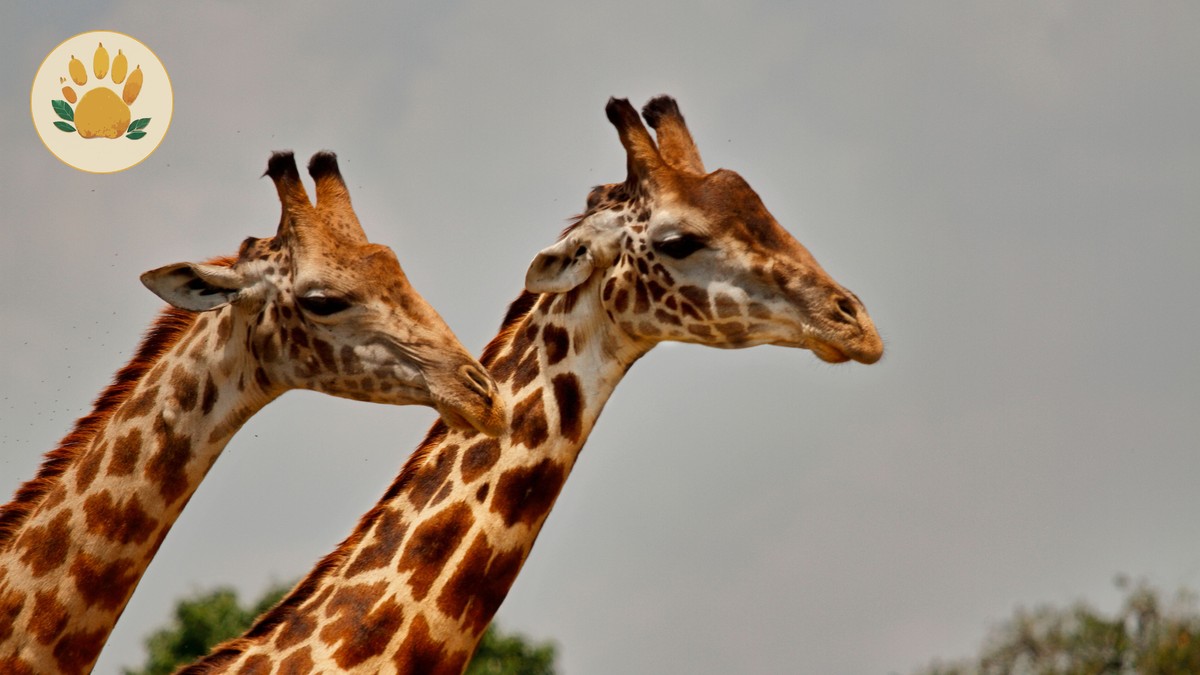
Reticulated giraffe
This is the giraffe with the sharp, polygon-shaped coat pattern, edged in bright white lines like a stained glass window. It is found only in northern Kenya, southern Ethiopia, and small parts of Somalia. Samburu and Buffalo Springs National Reserves hold a healthy population, often seen browsing acacia along the Ewaso Nyiro River in the early morning.
Numbers in the wild are estimated at under 16,000, and the species is listed as Endangered by the IUCN. Habitat loss outside protected reserves is the main threat.
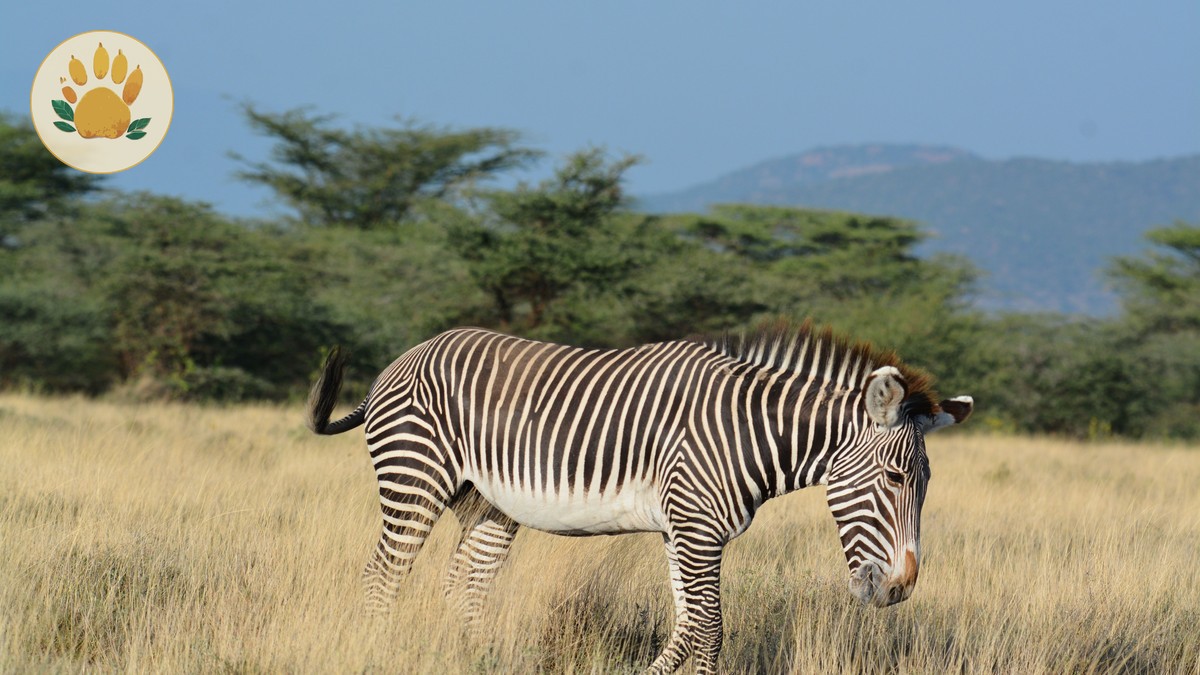
Grevy’s zebra
Grevy’s zebra is the largest and most endangered of the three zebra species, distinguished by narrower stripes, larger rounded ears, and a white belly. Roughly 2,000 to 3,000 remain in the wild, almost all of them in Kenya, with a small population in Ethiopia.
Samburu, Buffalo Springs, and the private conservancies of Laikipia (particularly Lewa Wildlife Conservancy and Ol Pejeta) hold the bulk of the population. If Grevy’s zebra is the animal you most want to see, pair a Samburu stay with a night or two in Laikipia, roughly a two-hour drive south.
Beisa oryx
The Beisa oryx is a subspecies of the East African oryx, marked by a black and white face and long, straight horns that can reach 80cm. It survives on moisture from plants alone for long stretches, which lets it range far from permanent water sources.
They favor open, semi-arid plains, so look for them away from the riverine woodland where giraffe and elephant concentrate, particularly around Buffalo Springs and the drier stretches of Shaba.
Gerenuk
The gerenuk is a slender antelope with an unusually long neck, and it is the animal most visitors remember best. It stands on its hind legs, front hooves braced against a branch, to reach leaves too high for other browsers. This posture frees it from competing with impala and dik-dik for the same food.
Gerenuk rarely drink water, getting what they need from leaves and shoots. They are common in the acacia scrub across all three Samburu reserves and easiest to spot in the cooler hours after dawn.
Somali ostrich
The Somali ostrich was only confirmed as a distinct species from the common ostrich in 2014, separated in part by the male’s blue-grey neck and legs rather than pink. It is found in the Horn of Africa and northern Kenya, with Samburu one of the more reliable places to see it.
Males display with dramatic wing movements during breeding season, roughly November through February, which makes this the best window for photographing them.
Special Five vs Big Five: how they compare
Repeat visitors often ask if the Special Five is a lesser experience than the Big Five. It is a different one. The table below lays out the practical differences.
| Feature | Big Five (Masai Mara) | Special Five (Samburu) |
|---|---|---|
| Species | Lion, leopard, elephant, buffalo, rhino | Reticulated giraffe, Grevy’s zebra, Beisa oryx, gerenuk, Somali ostrich |
| Rarity driver | Hunting-era trophy list | Endemic to arid northern Kenya and the Horn of Africa |
| Best reserves | Masai Mara, Serengeti | Samburu, Buffalo Springs, Shaba, Laikipia |
| Distance from Nairobi | Mara: ~270 km / 5-6 hr drive, or 45 min flight | Samburu: ~325 km / 5-6 hr drive, or 1 hr flight |
| Park fee (non-resident adult, per day) | Mara: approx USD 100 (Narok County) | Samburu/Buffalo Springs/Shaba: approx USD 70 (indicative, county-run, confirm current rate) |
| Crowds in peak season | Heavy, especially July-September migration | Light to moderate year-round |
| Also present | Also found in Samburu (lion, leopard, elephant) | Also found in the Mara (impala, zebra, giraffe of a different subspecies) |
The Big Five draws crowds because of scale and drama. The Special Five rewards patience and close observation, and you will share the sightings with far fewer vehicles.
Where to see them
Samburu National Reserve (165 sq km) sits on the north bank of the Ewaso Nyiro River and holds the highest density of all five species. Buffalo Springs National Reserve, across the river to the south, covers similar ground with lower visitor numbers. Shaba National Reserve, about 25km east, is drier and less visited, better for Beisa oryx and Somali ostrich away from the crowds.
For Grevy’s zebra specifically, Laikipia’s conservancies, especially Lewa and Ol Pejeta, offer denser sightings than Samburu alone. A combined Samburu-Laikipia routing is the most reliable way to see all five without relying on luck.
Best time to visit
The dry seasons, from late June to October and again in January and February, concentrate wildlife along the Ewaso Nyiro River, since it is one of the few permanent water sources in the region. Vegetation thins out too, which improves visibility. The short rains in November can bring good ostrich displays but muddier tracks.
Avoid April and May if possible. The long rains make some reserve roads difficult and sightings drop as animals disperse into the surrounding bush.
Conservation status and threats
Three of the five, the reticulated giraffe, Grevy’s zebra, and Somali ostrich, carry threatened or near-threatened status. Habitat fragmentation from settlement and livestock grazing outside reserve boundaries is the shared pressure. Community conservancies bordering Samburu, run in partnership with local Samburu pastoralist communities, have become important buffer zones, and lodge fees in the area typically fund anti-poaching patrols and grazing management.
Where to stay
| Camp | Location | Style | Indicative price (pppn, all-inclusive) |
|---|---|---|---|
| Sasaab | Private conservancy, west bank | Ultra-luxury, Moroccan-style villas | USD 800-1,100 |
| Saruni Samburu | Kalama Conservancy, hillside | Luxury, six stone cottages | USD 700-950 |
| Elephant Bedroom Camp | Samburu National Reserve | Mid-luxury tented camp on the river | USD 450-600 |
| Samburu Intrepids | Samburu National Reserve | Mid-range tented camp, family-friendly | USD 350-480 |
| Elephant Watch Camp | Samburu National Reserve | Rustic, research-linked, low footprint | USD 500-700 |
Sasaab and Saruni Samburu sit on private conservancy land with fewer vehicles and night game drives permitted. Samburu Intrepids and Elephant Bedroom Camp sit inside the national reserve itself, closer to the main sighting areas but sharing them with day visitors. For help weighing that trade-off, see our guide to choosing a tented camp or lodge for your Samburu stay.
Is it worth it for a repeat visitor
If you have already done the Mara, Samburu earns its place on a second or third Kenya trip. The landscape is different, red earth and doum palms instead of open grassland, the pace is slower, and the five headline species genuinely cannot be seen together anywhere else in East Africa. Three nights is enough to see all five reliably, especially if you add a Laikipia stop for Grevy’s zebra.
It is not a replacement for the Mara’s predator density or the Serengeti migration. Go in expecting a quieter, more specialized experience, not a bigger version of what you already saw.
The SafariPure Difference
We do not sell Samburu as a add-on stop to pad an itinerary. Our guides know which waterholes hold gerenuk in the dry months and which conservancy tracks give you Grevy’s zebra without a two-hour drive. We route trips around real animal behavior and real distances, not a generic three-park loop, and we are honest when a reserve is not worth your time. For a broader look at sequencing, see our notes on fitting Samburu into a 7-day Kenya itinerary and comparing other Kenya safari circuits.
Frequently asked questions
What are the Samburu Special Five animals? Reticulated giraffe, Grevy’s zebra, Beisa oryx, gerenuk, and Somali ostrich.
Why are they called “special” instead of “big”? They were named to highlight species unique to Kenya’s arid north, not for size or danger, the criteria behind the original Big Five.
Where can you see the Samburu Special Five in Kenya? Samburu, Buffalo Springs, and Shaba National Reserves, plus Laikipia conservancies for stronger Grevy’s zebra sightings.
How far is Samburu from Nairobi and the Masai Mara? About 325km, a 5 to 6 hour drive or roughly 1 hour flight from Nairobi. There is no direct road to the Mara, both are usually reached via Nairobi.
How many days do you need to see all five? Three nights is usually enough, four if you add a Laikipia stop for Grevy’s zebra.
Are lions, leopards, and elephants also found in Samburu? Yes, alongside the Special Five, including a distinct population of leopards well habituated to vehicles.
Ready to add Samburu to your Kenya itinerary? Visit our Samburu safari tour page or get in touch to start planning.